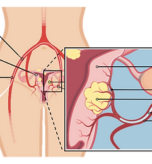

Introduction
Many patients notice swelling or darkening of the skin on their legs and assume it’s a minor skin issue. However, these changes often indicate an underlying problem with blood circulation in the veins. When ignored, this condition can progress into painful, non‑healing wounds known as venous Ulcers.
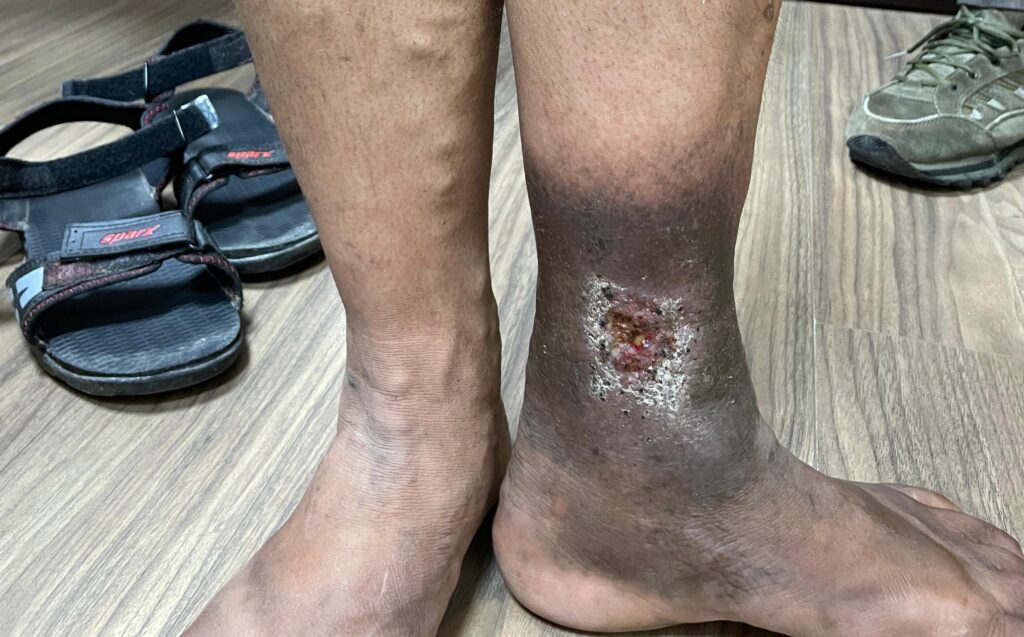
What are chronic venous ulcers?
Chronic venous disease occurs when leg veins are unable to return blood to the heart efficiently. This causes blood to pool in the lower limbs, increasing pressure inside the veins and surrounding tissues.
Early Warning Signs Patients Often Ignore
- Persistent leg swelling
- Dark or discolored skin around the ankles
- Thickened or hardened skin
- Heaviness or discomfort after standing
These signs usually appear gradually, which is why many patients delay seeking medical advice.
How Venous Ulcers Develop
Prolonged poor blood flow damages the skin and underlying tissues. Over time, even a small injury may fail to heal, resulting in a venous ulcer. These ulcers can be painful, prone to infection, and significantly affect daily life.
Modern Medical Approach
Today, minimally invasive venous treatments focus on improving blood flow rather than just managing surface symptoms. Early diagnosis allows timely intervention, faster recovery, and prevention of complications.
Doctor’s Perspective
As a radiologist, I often see patients only after the disease has advanced. Imaging plays a crucial role in identifying venous dysfunction early—before ulcers develop. Awareness is the first and most powerful step toward prevention.
Ethical Disclaimer
This article is intended for educational purposes only. It does not replace professional medical consultation, diagnosis, or treatment.
Conclusion
Leg skin changes should never be ignored. Early evaluation and awareness can prevent venous ulcers and protect long‑term leg health.
👉 For more patient‑focused medical education, explore related articles.