
1. Introduction: The Shift Toward Safer, Faster Treatments
Modern healthcare is rapidly moving away from invasive surgeries toward image-guided, minimally invasive procedures. Patients today seek treatments that offer faster recovery, fewer risks, and minimal disruption to daily life.
This shift has led to the growing adoption of microwave ablation in Lucknow, a technique that effectively treats tumors without large incisions or prolonged hospital stays.
2. What Is Microwave Ablation?
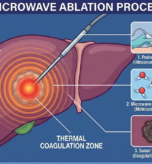
Microwave ablation is a minimally invasive treatment that uses high-frequency microwave energy to generate heat and destroy abnormal or cancerous tissue.
A thin needle-like probe is inserted directly into the target area, allowing precise treatment while preserving surrounding healthy tissue.
This technique is commonly used in interventional radiology and is especially valued for its safety and effectiveness.
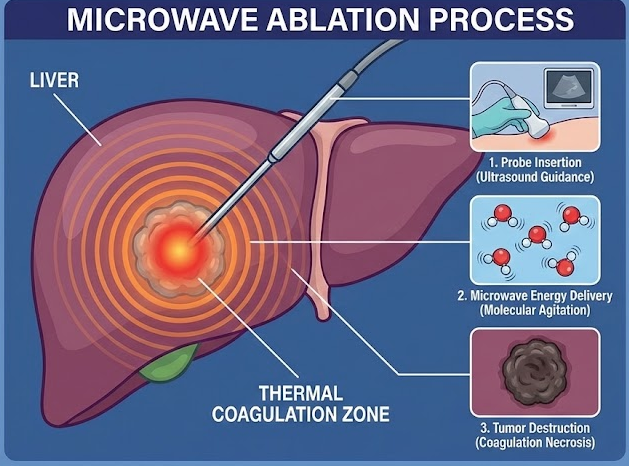
3. How Microwave Ablation Works
The procedure is performed under real-time imaging guidance such as CT scan or ultrasound.
Once the probe reaches the targeted lesion, controlled microwave energy heats the tissue to a temperature that causes cell death.
The body then naturally absorbs or shrinks the treated tissue over time, making the process both efficient and minimally traumatic.
4. Medical Conditions Treated with Microwave Ablation
MWA is widely used to treat:
- Liver tumors (primary and metastatic)
- Lung tumors
- Kidney tumors
- Bone and soft tissue lesions
It is particularly beneficial for patients who are not ideal candidates for surgery due to age, medical conditions, or tumor location.
5. Microwave Ablation vs Traditional Surgery
Compared to open surgery, microwave ablation offers:
- No large incisions
- Minimal blood loss
- Reduced anesthesia risks
- Shorter hospital stays
Patients undergoing MWA often return home the same day or within 24 hours, making it a preferred alternative to conventional surgical approaches.
6. Key Benefits: Faster Recovery, Fewer Risks
One of the biggest advantages of microwave ablation is faster recovery.
Patients experience:
- Less post-procedure pain
- Lower risk of infection
- Minimal scarring
- Faster return to normal activities
These benefits make microwave ablation an ideal option for patients seeking effective treatment without the physical burden of surgery.
7. Who Is an Ideal Candidate for microwave ablation?
MWA is suitable for:
- Patients with small to medium-sized tumors
- Elderly patients or those with other health conditions
- Patients who want a non-surgical treatment option
A detailed evaluation by a specialist ensures that the procedure is safe and appropriate for each patient.
8. What to Expect Before, During, and After the Procedure
Before:
Patients undergo imaging tests, blood investigations, and a clinical consultation.
During:
The procedure usually takes 30–60 minutes and is performed under local or general anesthesia.
After:
Most patients experience mild discomfort and can resume daily activities within a few days, highlighting the Speed recovery advantage.
9. Safety, Effectiveness, and Clinical Outcomes
Microwave ablation is backed by strong clinical evidence demonstrating high success rates and low complication risks.
Advanced imaging guidance ensures precision, while regular follow-up scans help monitor treatment success and long-term outcomes.
10. Why MWA Is Gaining Popularity in Lucknow
With growing awareness and access to advanced interventional radiology, MWA is becoming a trusted treatment option.
Patients benefit from modern technology, expert specialists, and personalized care—all contributing to safer procedures and quicker recovery.
11. Frequently Asked Questions (FAQs)
Is microwave ablation painful?
Discomfort is minimal and usually short-lived.
How long does recovery take?
Most patients recover within a few days.
Can the procedure be repeated?
Yes, microwave ablation can be safely repeated if needed.
Is hospitalization required?
Often done as a day-care or short-stay procedure.
12. Conclusion: A Smarter, Minimally Invasive Future
Microwave ablation represents a major advancement in modern medicine by offering faster recovery, fewer risks, and effective tumor control.
As more patients seek non-surgical solutions, MWA continues to rise as a safe, reliable, and patient-friendly treatment choice.