
Varicose veins can be uncomfortable, painful, and sometimes embarrassing. If you’ve noticed blue, bulging, or twisted veins on your legs, you’re not alone—millions of people experience this condition. The good news? Modern medicine now offers safe and effective solutions. One of the most popular options today is laser treatment for varicose veins.
This minimally invasive procedure helps close damaged veins, improve blood flow, and relieve symptoms—all without traditional surgery.
What Is Laser Treatment for Varicose Veins?
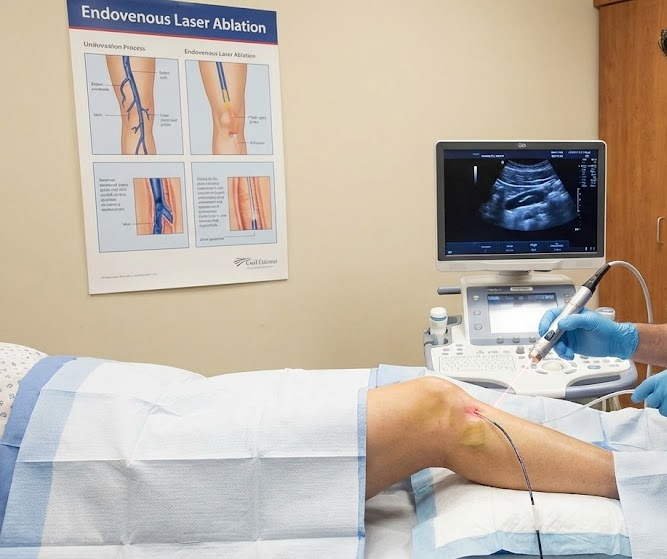
Laser treatment for varicose veins, also known as Endovenous Laser Therapy (EVLT), is a modern method used to seal problem veins using controlled laser energy. Instead of removing the vein surgically, the laser gently closes it from the inside, allowing the body to redirect blood to healthy veins.
It’s quick, safe, and usually doesn’t require stitches.
How the Procedure Works
Here’s what typically happens during an EVLT session:
- A numbing injection is applied to make you comfortable
- A small catheter (thin tube) is inserted into the affected vein
- A laser fiber is guided into the vein using ultrasound
- Controlled heat closes the vein permanently
- A bandage or compression stocking is applied afterward
The procedure usually takes 30–45 minutes, and most patients return home the same day.
Benefits of Laser Treatment
Many people choose this treatment because of the advantages:
✔ Minimally invasive — no major cuts
✔ Very little pain during the procedure
✔ Fast recovery — most return to normal life within 24 hours
✔ No stitches or visible scars
✔ Long-lasting results
✔ Ideal for mild to severe varicose veins
For most patients, symptoms like heaviness, swelling, throbbing, and night cramps significantly improve within weeks.
Is the Procedure Painful?
Most patients describe the experience as mild pressure or warmth, not pain. Local anesthesia ensures comfort throughout the procedure.
Side Effects and Safety
Laser treatment is considered very safe. However, mild and temporary side effects may include:
- Bruising
- Tightness along the treated vein
- Minor skin tenderness
These typically disappear within a few days.
Who Is a Good Candidate?
This treatment is suitable if you have:
- Bulging veins in the legs
- Pain, burning, or heaviness
- Swelling or skin discoloration
- Symptoms worse after standing
Pregnant women should wait before undergoing treatment unless medically necessary.
Recovery and Aftercare
After the procedure:
- You can walk immediately
- Light walking daily helps healing
- Wear compression stockings if recommended
- Avoid heavy exercise for 3–7 days
Most people return to work the same or next day.
How Much Does Laser Treatment Cost?
The cost can vary based on:
- Country or city
- Severity of the veins
- Technology used
- Medical facility and specialist experience
On average, pricing may range from moderate to high, but the long-term relief and cosmetic benefits make it a worthwhile investment for many patients.
Results: What to Expect
Most patients notice:
- Visible improvement in 2–6 weeks
- Reduced pain and swelling
- Smoother skin appearance
- Better confidence and mobility
Once a damaged vein is closed, it does not return.
When Should You Seek Medical Help?
If your varicose veins cause:
- Pain or burning
- Skin changes
- Bleeding from veins
- Hardening or lumps
- Non-healing wounds
it’s important to consult a vein specialist or interventional radiologist.
Final Thoughts
Laser treatment for varicose veins is one of the most effective and modern ways to get relief without surgery. Whether your concern is discomfort, appearance, or health, this minimally invasive method offers a safe, comfortable, and long-lasting solution.
You don’t have to live with swelling, pain, or visible veins—treatment options today are easier than ever.
FAQ Section
The main cause of varicose veins is weak or damaged vein valves. These valves normally help blood flow upward from the legs to the heart. When they stop working properly, blood pools inside the veins, causing them to enlarge, twist, and become visible under the skin. Factors like genetics, aging, standing for long hours, pregnancy, and hormonal changes can increase the risk.
During pregnancy, treatment usually focuses on managing symptoms rather than medical procedures unless absolutely necessary. Helpful ways to ease discomfort include:
- Wearing compression stockings
- Elevating the legs
- Sleeping on the left side
- Staying active and avoiding long sitting or standing
- Maintaining a healthy weight
Most varicose veins caused by pregnancy improve after childbirth. If they persist, treatments such as laser therapy, sclerotherapy, or radiofrequency ablation may be considered after delivery.
Varicose veins are enlarged, swollen, and twisted veins that usually appear blue or purple. They develop when blood collects in veins due to weak valves. Most commonly found in the legs, varicose veins may cause symptoms like heaviness, pain, itching, cramps, or visible bulging veins on the skin surface.
Swollen ankles from varicose veins can be managed with:
- Compression stockings
- Leg elevation (above heart level)
- Regular movement or walking
- Avoiding prolonged sitting or standing
- Gentle massage
- Hydration and low-sodium diet
For long-term relief, medical treatments like laser treatment, sclerotherapy, or radiofrequency ablation are often recommended to address the underlying vein issue.
The best way to prevent or stop varicose veins from worsening includes:
- Staying active with regular exercise
- Maintaining a healthy weight
- Wearing compression stockings
- Avoiding sitting or standing for long periods
- Elevating legs daily
- Choosing comfortable, low-heel footwear
For visible or painful varicose veins, minimally invasive medical treatments—such as laser treatment, sclerotherapy, or RFA—provide the most effective long-term solution.
The best way to prevent or stop varicose veins from worsening includes:
Staying active with regular exercise
Maintaining a healthy weight
Wearing compression stockings
Avoiding sitting or standing for long periods
Elevating legs daily
Choosing comfortable, low-heel footwear
For visible or painful varicose veins, minimally invasive medical treatments—such as laser treatment, sclerotherapy, or RFA—provide the most effective long-term solution.