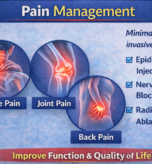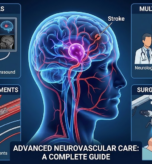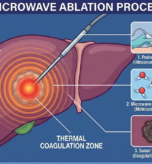

Introduction – A New Era in Pain Relief
Pain has always been one of humanity’s most persistent problems. From aching joints to chronic back pain, from cancer-related discomfort to unexplained pelvic pain, millions of people wake up every day already exhausted by what they feel. For decades, pain management meant one thing: pills, injections, or major surgery.
But something remarkable is happening.
Pain care is shifting gears. Instead of simply dulling symptoms, modern medicine is asking a smarter question: Why is this pain happening in the first place? The answer, in many cases, lies in our blood vessels. Welcome to the future of pain management—where vascular innovations are not just reducing pain, but transforming lives.
Understanding Pain Beyond Pills
Acute vs Chronic Pain Explained Simply
Acute pain is like a fire alarm. It warns you that something is wrong—an injury, inflammation, or infection. Chronic pain, however, is more like a broken alarm that never stops ringing. It lasts for months or even years, often without a clear cause.
Why Conventional Painkillers Often Fail
Painkillers are excellent at lowering volume, but they rarely fix the wiring. Medications may temporarily reduce discomfort, but once their effect fades, the pain returns. Over time, higher doses are needed, and the cycle continues.
Long-Term Risks of Dependency and Side Effects
Long-term use of pain medications can lead to dependency, digestive issues, kidney problems, and mental fog. For many patients, the treatment becomes another problem to manage.
What Is Vascular Pain and Why It’s Often Missed
The Role of Blood Vessels in Pain
Blood vessels do more than carry blood. They also influence inflammation, nerve sensitivity, and tissue health. Abnormal blood flow, enlarged veins, or excessive vascular supply can directly trigger pain.
Common Conditions Linked to Vascular Pain
- Chronic joint pain
- Pelvic congestion syndrome
- Fibroids-related pain
- Cancer-related pain
- Inflammatory conditions
These conditions often go untreated for years because the vascular component is overlooked.
The Rise of Vascular Innovations in Pain Management
What Are Vascular Interventions?
Vascular interventions are minimally invasive procedures that target problematic blood vessels using tiny catheters and image guidance. Instead of large incisions, doctors work through a pinhole in the skin.
Why Minimally Invasive Techniques Matter
Smaller access means:
- Less pain after treatment
- Reduced risk of complications
- Faster recovery
- Shorter hospital stays
It is precision medicine at its best.
Key Vascular Technologies Changing Pain Treatment
Embolization Techniques
Embolization involves blocking abnormal or overactive blood vessels that feed pain-causing tissues. Think of it as turning off a faulty tap rather than mopping the floor endlessly.
Image-Guided Interventions
Using real-time imaging, specialists navigate blood vessels with millimeter accuracy. This precision dramatically improves outcomes.
Precision Medicine in Vascular Care
Every patient’s anatomy is different. Vascular innovations allow treatments to be tailored, not standardized.
How Embolization Is Redefining Pain Relief
What Embolization Actually Does
By reducing abnormal blood flow, embolization decreases inflammation, nerve irritation, and tissue pressure—the true sources of pain.
Conditions Where Embolization Reduces Pain
- Knee osteoarthritis
- Uterine fibroids
- Pelvic pain syndromes
- Tumor-related pain
In many cases, pain relief is achieved without surgery.
From Surgery to Small Punctures – A Paradigm Shift
Comparing Traditional Surgery vs Vascular Procedures
Traditional surgery often means large incisions, general anesthesia, and weeks of recovery. Vascular treatments usually involve local anesthesia and same-day discharge.
Faster Recovery, Fewer Risks
Patients often return to normal activities within days, not months.
Chronic Pain Conditions Benefiting from Vascular Care
Joint Pain and Inflammation
Abnormal blood vessels in inflamed joints can be selectively treated, reducing pain and swelling.
Pelvic Pain and Fibroids
Targeting the blood supply to fibroids or congested veins can significantly reduce chronic pelvic pain.
Cancer-Related Pain
Embolization can shrink tumors or reduce blood flow, easing pain and improving comfort.
The Patient Experience – What Changes for Real People
Shorter Hospital Stays
Many vascular pain procedures are performed as day-care treatments.
Improved Quality of Life
Patients report better mobility, reduced medication dependence, and renewed confidence in daily life.
The Role of Imaging in Precision Pain Treatment
Real-Time Imaging as a Game Changer
Live imaging allows doctors to see exactly where the problem lies—no guesswork involved.
Accuracy Equals Better Outcomes
When treatment is precise, results are consistent and safer.
Safety, Effectiveness, and Long-Term Results
Are Vascular Pain Treatments Safe?
These procedures are backed by strong safety profiles when performed by trained specialists.
Evidence-Backed Outcomes
Clinical data continues to show sustained pain relief and high patient satisfaction.
Accessibility and the Growing Reach of Vascular Pain Care
Expanding Availability Worldwide
As awareness grows, more centers are offering advanced vascular pain treatments.
Cost-Effectiveness Compared to Surgery
Shorter hospital stays and fewer complications often mean lower overall costs.
Future Trends in Pain Management
AI and Robotics in Vascular Interventions
Artificial intelligence is improving precision, planning, and outcomes.
Personalized Pain Treatment Plans
The future is customized care—designed around the patient, not the protocol.
Challenges and Limitations
Awareness Gaps
Many patients and even healthcare providers are still unaware of vascular pain solutions.
Not Every Patient Is the Same
Careful evaluation is essential to determine suitability.
Why the Future of Pain Management Is Vascular
Treating the Cause, Not Masking Pain
Vascular innovations focus on fixing the source of pain, not just silencing the signal.
Conclusion – A Life with Less Pain and More Possibility
Pain should never define a life. Thanks to vascular innovations, pain management is evolving from temporary relief to long-term solutions. By targeting the root causes hidden within blood vessels, modern medicine is offering hope where there was once frustration. The future of pain management is not louder medications or bigger surgeries—it is smarter, gentler, and deeply transformative.
FAQs
1. Is vascular pain treatment suitable for chronic pain patients?
Yes, many chronic pain conditions with a vascular component respond well to these treatments.
2. Are these procedures painful?
Most procedures involve minimal discomfort and are performed under local anesthesia.
3. How long does recovery take?
Recovery is usually quick, often within a few days.
4. Can vascular treatments reduce the need for pain medications?
In many cases, yes. Patients often reduce or stop long-term painkillers.
5. Is this the future of pain management?
All signs point to yes—vascular innovations are reshaping how pain is understood and treated