
Heavy periods are not just an inconvenience. For millions of women, they are a monthly disruption that affects work, relationships, confidence, and overall quality of life. When heavy bleeding is caused by uterine fibroids, the struggle often becomes long, exhausting, and emotionally draining. The good news is that medical science has evolved beyond pills and major surgery. There is hope—real, practical, and effective hope—in the form of uterine artery embolization.
This article breaks down the truth about heavy periods, fibroids, and how uterine artery embolization offers a modern, uterus-preserving solution.
Understanding Heavy Periods (Menorrhagia)
What qualifies as heavy bleeding?
A period is considered heavy when bleeding lasts more than seven days, requires frequent pad or tampon changes, or includes passing large blood clots. If you find yourself planning your life around bathroom access or doubling up on protection, that is not “normal.”
How heavy periods affect daily life
Heavy periods don’t just drain blood; they drain energy, confidence, and peace of mind. Chronic fatigue, anemia, missed workdays, social withdrawal, and anxiety become part of everyday life. It’s like trying to function with a phone battery that never fully charges.
What Are Uterine Fibroids?
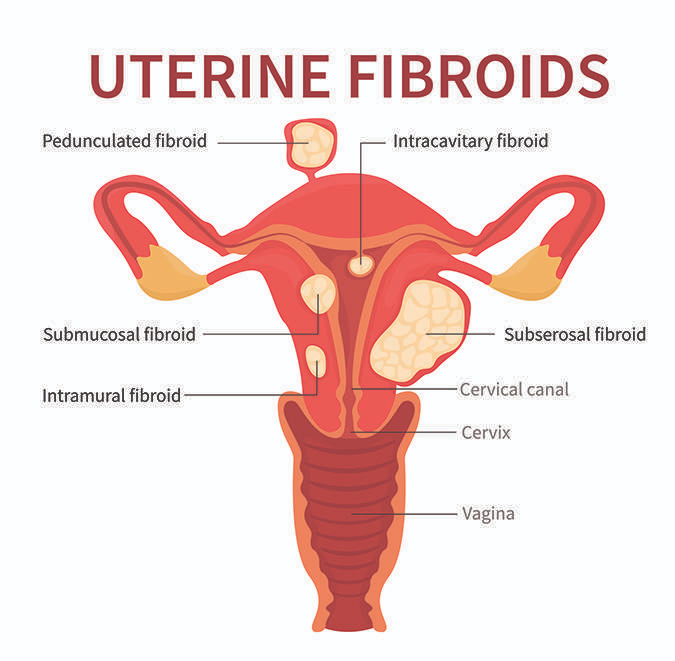
Uterine fibroids are non-cancerous growths that develop from the muscle tissue of the uterus. They vary in size, number, and location—and those factors determine how severe the symptoms become.
Types of fibroids
Submucosal fibroids
These grow just beneath the uterine lining and are the most common cause of heavy menstrual bleeding.
Intramural fibroids
Found within the uterine wall, these can enlarge the uterus and intensify bleeding and cramps.
Subserosal fibroids
Located on the outer surface of the uterus, these often cause pressure symptoms rather than bleeding.
The Link Between Fibroids and Heavy Periods
Fibroids increase blood flow to the uterus and interfere with normal uterine contractions that help control bleeding. Think of them as faulty valves in a plumbing system—once disrupted, the flow becomes excessive and unpredictable.
Why Heavy Periods Are Often Ignored
Many women are told that heavy bleeding is “just hormonal,” “part of aging,” or something to endure silently. Cultural conditioning and lack of awareness delay diagnosis, allowing fibroids to grow larger and symptoms to worsen over time.
Traditional Treatment Options for Fibroids
Medications
Hormonal pills, injections, and painkillers may temporarily reduce symptoms, but they do not remove fibroids. Once stopped, symptoms often return.
Surgical treatments
Procedures like myomectomy or hysterectomy can be effective but come with longer recovery times, surgical risks, and emotional consequences—especially when uterus removal is involved.
The Need for a Non-Surgical Alternative
Not every woman wants or can undergo surgery. Many seek a solution that treats fibroids without scars, long hospital stays, or loss of the uterus. This is where uterine artery embolization changes the conversation.
What Is Uterine Artery Embolization (UAE)?
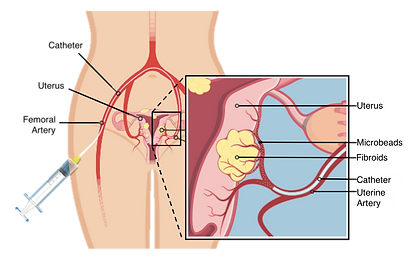
Uterine artery embolization is a minimally invasive procedure that treats fibroids by cutting off their blood supply. Without blood, fibroids shrink naturally over time, reducing bleeding and pressure symptoms.
Basic concept explained simply
Fibroids are like unwanted plants fed by water lines. UAE closes those lines, allowing the plants to wither while the garden remains intact.
How Uterine Artery Embolization Works
Step-by-step overview
A tiny catheter is guided through a blood vessel to the uterine arteries. Small particles are released to block blood flow to fibroids while preserving the uterus and healthy tissue. No large incisions. No stitches.
Who Is an Ideal Candidate for UAE?
Women with heavy periods due to fibroids, those seeking uterus preservation, and patients who want a faster recovery often qualify. A detailed evaluation ensures safety and suitability.
Benefits of Uterine Artery Embolization
Physical benefits
- Significant reduction in menstrual bleeding
- Shrinkage of fibroids
- Relief from pelvic pain and pressure
Emotional and lifestyle benefits
- Improved energy levels
- Freedom from constant bleeding anxiety
- Faster return to work and normal life
What to Expect During the Procedure
Before the procedure
Imaging tests and consultation help plan the treatment precisely.
During the procedure
The procedure typically lasts one to two hours and is performed under local anesthesia with sedation.
After the procedure
Most patients stay overnight for observation and pain control.
Recovery After Uterine Artery Embolization
Recovery is usually measured in days, not weeks. Mild cramping and fatigue are common initially, but normal activities often resume within a week.
Risks and Safety Considerations
UAE is considered safe when performed by experienced specialists. Temporary pain, low-grade fever, or nausea may occur, but serious complications are uncommon.
Fertility and Pregnancy After UAE
Many women retain their uterus and menstrual cycles after UAE. While pregnancy is possible, fertility goals should be discussed individually before treatment.
UAE vs Surgery: A Clear Comparison
Unlike surgery, UAE avoids large incisions, reduces hospital stay, preserves the uterus, and shortens recovery time. It treats multiple fibroids at once rather than removing them individually.
Hope Beyond Heavy Periods
Living with heavy periods can feel like carrying a silent burden. Uterine artery embolization offers not just symptom relief, but dignity, control, and renewed confidence.
Conclusion
Heavy periods caused by fibroids are not something you have to accept as your fate. Understanding your options empowers you to choose a treatment that aligns with your body, lifestyle, and future plans. Uterine artery embolization stands as a proven, minimally invasive path toward relief—without sacrificing the uterus or your quality of life.
Frequently Asked Questions (FAQs)
1. Is uterine artery embolization painful?
Mild to moderate pain can occur after the procedure, but it is well-managed with medication.
2. How soon will heavy periods improve after UAE?
Most women notice lighter periods within one to three cycles.
3. Will fibroids disappear completely after UAE?
Fibroids shrink significantly, which relieves symptoms, though they may not vanish entirely.
4. Is UAE a permanent solution?
For most women, symptom relief is long-lasting, especially when fibroids are the main cause.
5. Can UAE be repeated if needed?
In rare cases, repeat treatment may be considered based on symptoms and imaging results.